Civilisation & survival1
The World Doesn’t End Everywhere at Once
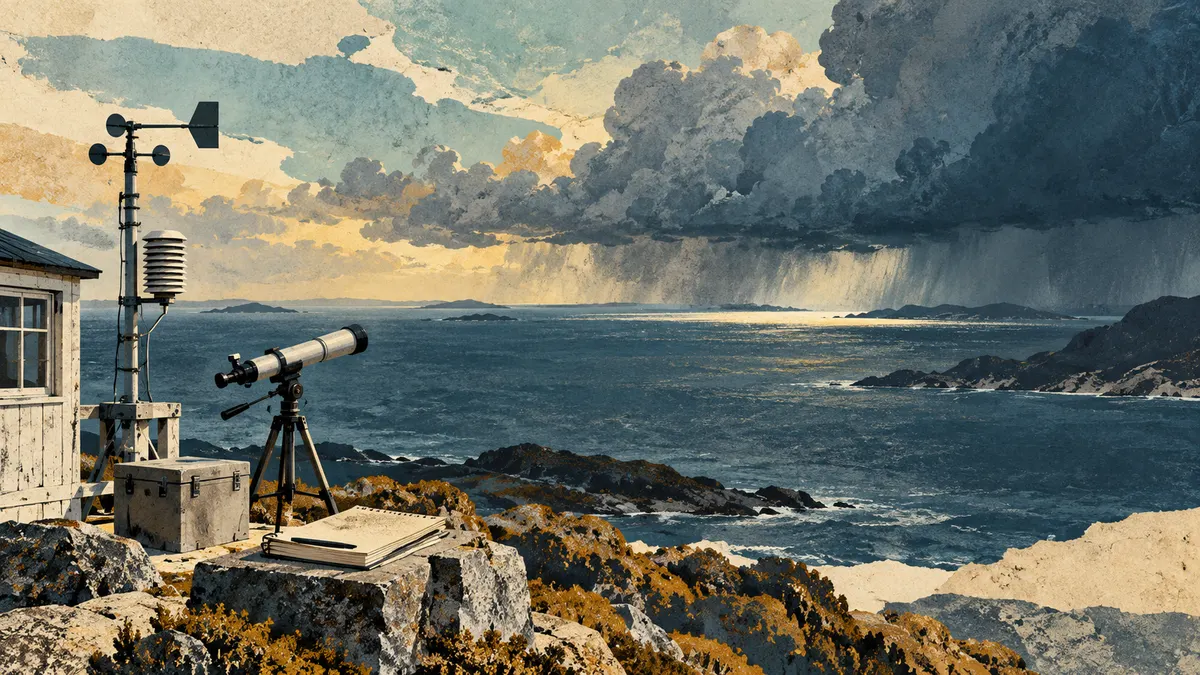
Climate disruption can tear societies apart unevenly. Food, water, migration and political choices explain why survival somewhere is a miserable definition of success.
 neutral.org
The collection
Arguments about life on a changing planet. Sourced, opinionated, and willing to ask uncomfortable questions.
Climate disruption can tear societies apart unevenly. Food, water, migration and political choices explain why survival somewhere is a miserable definition of success.
Scientific uncertainty is a reason to examine dangerous possibilities. We have become remarkably good at using it as permission to carry on.
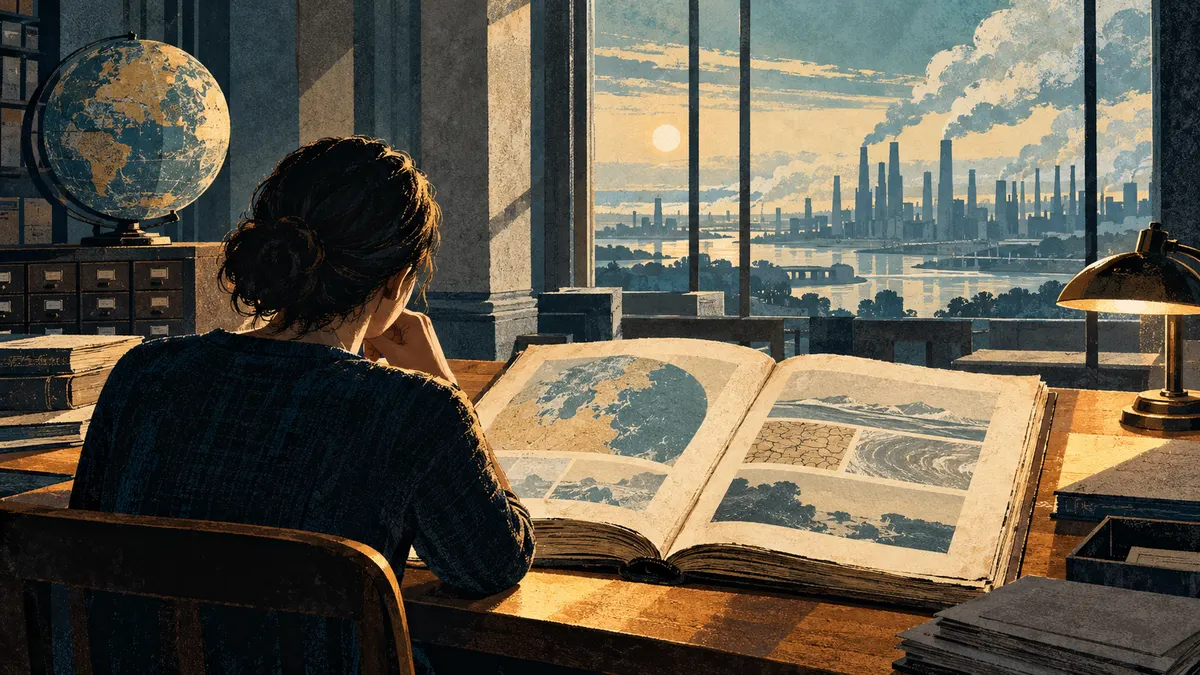
Future generations will inherit both a changing climate and the records showing how much we understood. Our excuses may age badly.
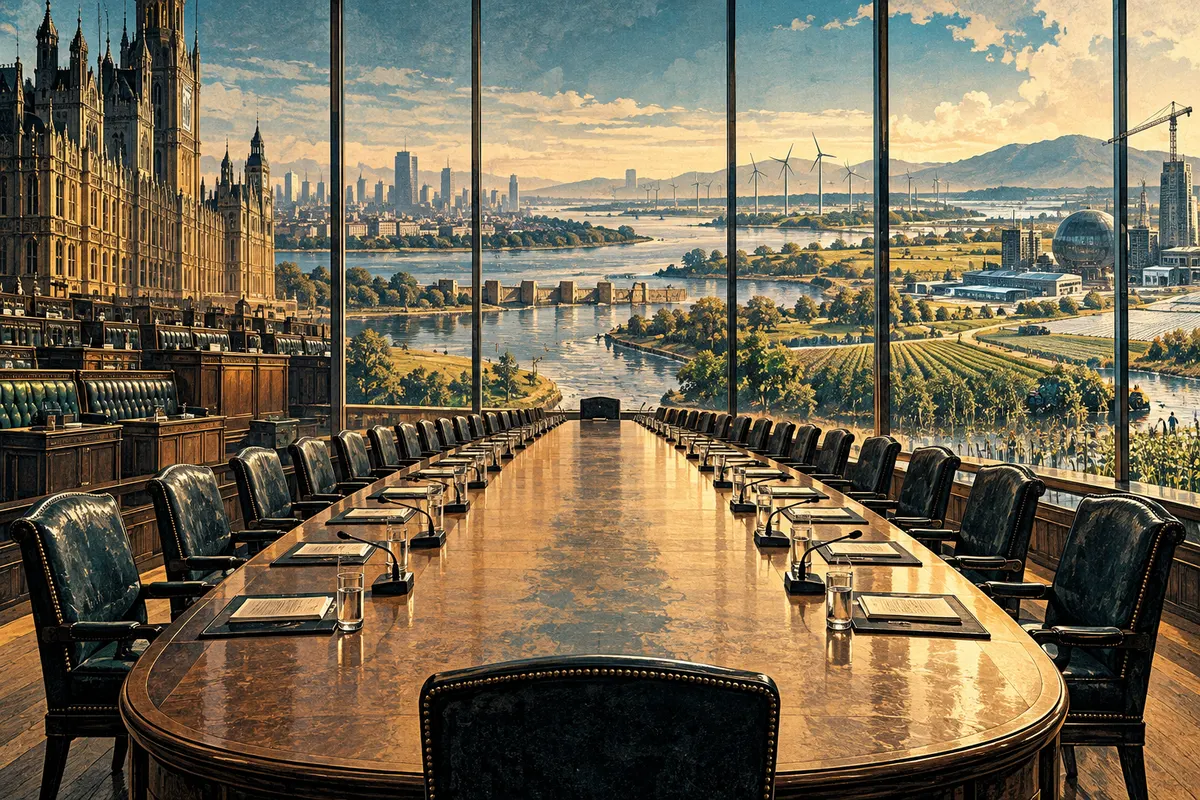
Election winners inherit a problem measured in centuries. What if we gave exceptional people the resources to prepare, invent and deliver — without handing them unchecked power?
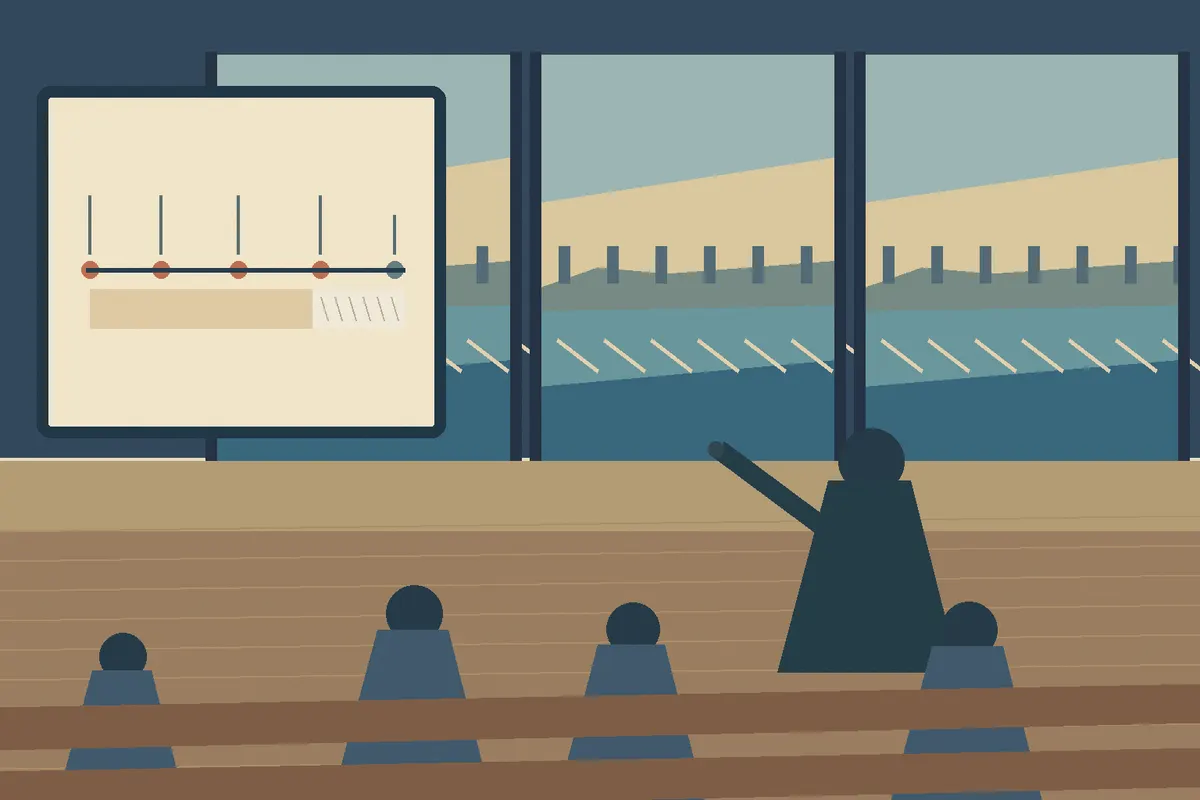
In an imagined classroom in the year 2300, children examine the years 1850–2050 and ask the questions their ancestors might have preferred not to hear.
In 2100 the Keeling Curve reaches 350 ppm. An imagined broadcast tells how humanity gave AI seventy years to take carbon dioxide back out of the sky—and what that victory cost.